Tooth Concussion and Subluxation in Gurugram
A tooth can be injured without moving out of position. A concussed tooth is tender but has normal mobility; a subluxated tooth is loosened while still in its normal position. These describe injuries to the tissues supporting a tooth, rather than a head-injury diagnosis.
Sources
Serious face or jaw injury, uncontrolled heavy mouth bleeding, breathing difficulty from severe swelling, or head-injury signs such as loss of consciousness, vomiting or double vision need emergency medical assessment. Do not assume those symptoms are simply a tender-tooth problem.
Dr. Supreet assesses tender or loose teeth after injury in Gurugram, including tooth type, root development and whether another injury accompanies it. The treatment decision is different from care for a tooth displaced outward, sideways or into its socket.
Sources (2)
Assessment before deciding on a splint
History, examination, mobility, tapping and pulp tests may be used, with dental imaging according to the injury. The pulp is the living tissue inside the tooth. An early absent response to a sensibility test does not by itself prove pulp death; repeat clinical and dental-image assessment can change the interpretation.
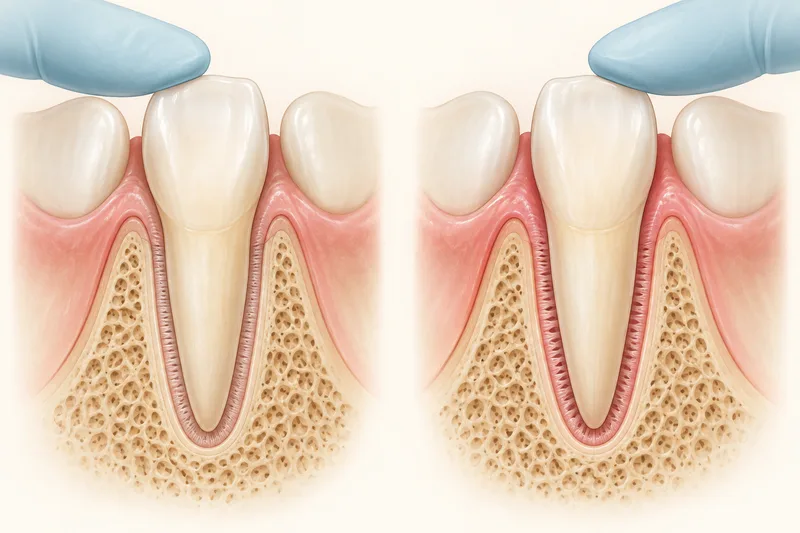
Permanent teeth: observation or selected short support
Permanent-tooth concussion usually needs observation rather than repositioning or routine splinting. Subluxation also usually needs no active treatment. Excessive mobility or tenderness when biting may justify a passive flexible splint for up to two weeks; this temporary support is selected by the dentist, not automatically placed for every loose tooth.
Sources (2)
A permanent tooth with either injury needs pulp-status monitoring for at least a year, even when no active treatment is required. Concussion and subluxation have different review schedules. Later pulp death, root breakdown or fusion to surrounding bone are possible, with risks differing by injury; an early negative test alone does not establish that such a complication has developed.
Sources (3)
Baby teeth: a separate review plan
These baby-tooth examples come from guidance for otherwise medically healthy children with previously sound, decay-free baby teeth. Medical problems, tooth decay or other injuries need their own assessment.
A baby tooth with concussion or subluxation is usually observed without active treatment. The primary-tooth guideline describes clinical review at around one week and six to eight weeks, with further checks according to concern about healing. This is not the permanent-tooth monitoring schedule.
After baby-tooth trauma, parents should seek reassessment for gum swelling, a draining gum lesion, increasing mobility or other concerns. A color change by itself is not always infection; the injury and accompanying signs need assessment.
Care after trauma treatment
Follow the team's gentle-brushing, soft-food, injured-tooth biting and contact-sport instructions. If a splint was placed and becomes loose, contact the dental team. A new gum lump or facial swelling needs reassessment, and uncontrolled bleeding or severe swelling needs urgent assessment. These signs do not diagnose the cause by themselves.
For selected subluxation where a splint was placed, keep the recommended reviews after that temporary support and follow the plan chosen for this injury. A sports mouthguard during relevant activities can reduce future trauma risk but cannot eliminate it.
Sources (2)
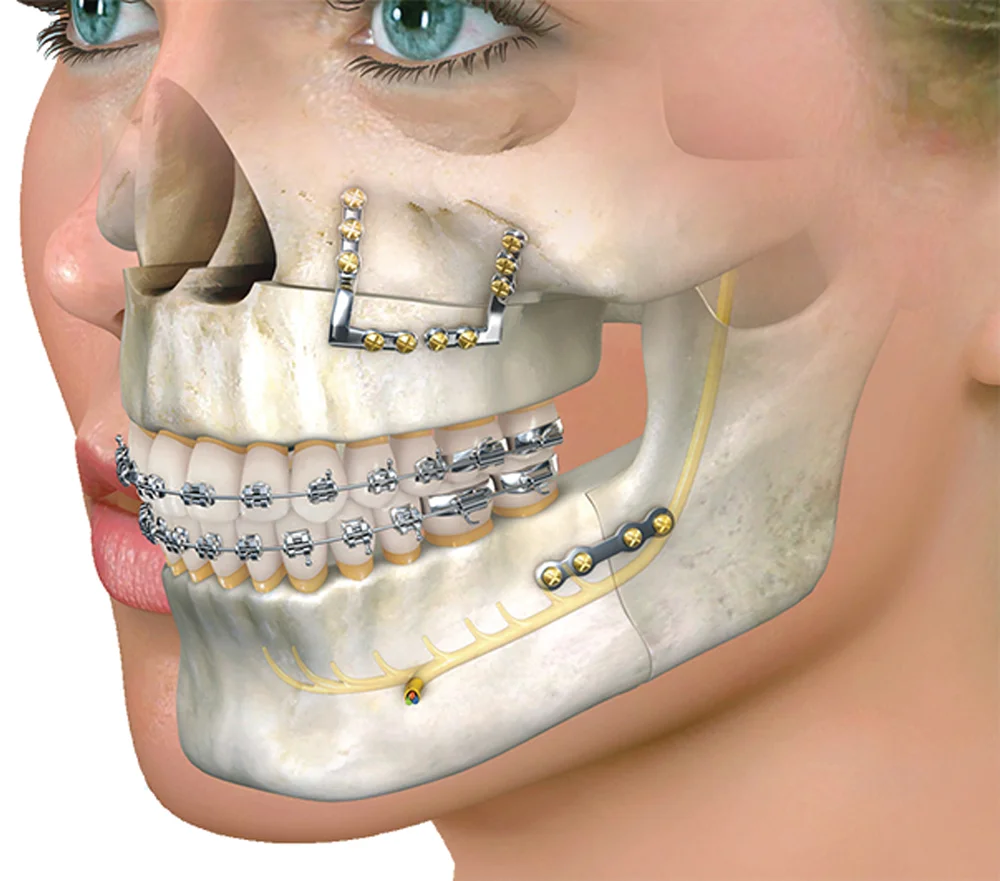
For the wider specialist assessment, see oral and maxillofacial surgery.
Arrange assessment in Gurgaon
Dr. Supreet Kaur Sawhney, MDS, Senior Consultant – Oral & Maxillofacial Surgeon and Senior Implantologist, brings 20+ years of experience to assessment and individual treatment planning. Consult at Dr. Supreet's Dental & Implant Centre, 395 P, Sector 39, near Medanta Hospital, Gurugram (Gurgaon), Haryana 122001. Contact the clinic, call +91 9650298009, or view the Sector 39 clinic. Medical danger signs need emergency assessment; do not wait for a routine appointment.