Root Planing (Below-Gum Cleaning) in Gurugram
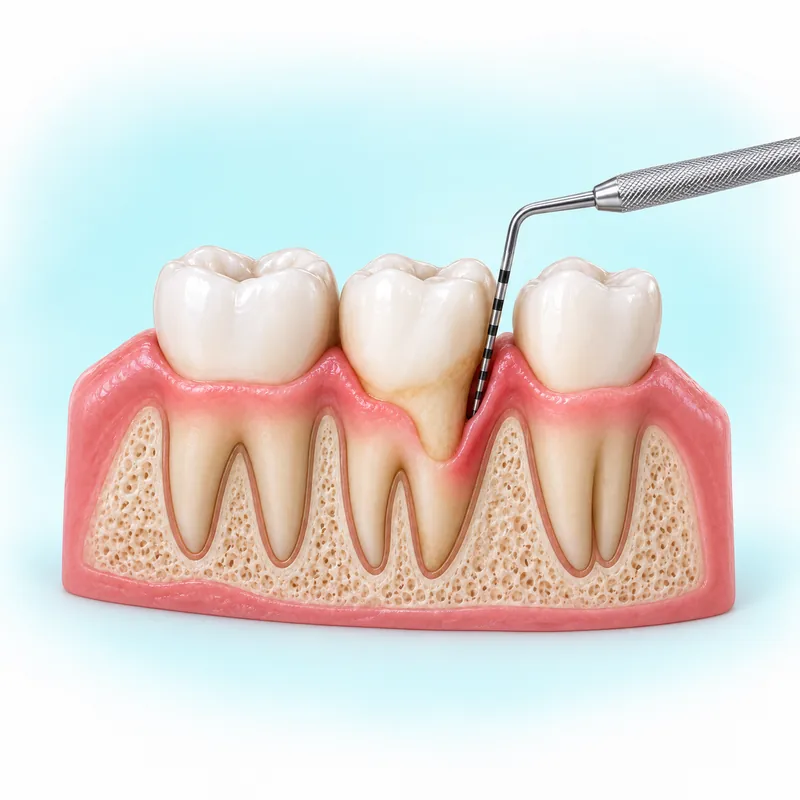
Root planing, also called subgingival instrumentation, is cleaning below the gumline on affected tooth roots and within periodontal pockets, which are spaces between a tooth and gum. Periodontitis involves loss of tooth-supporting attachment (the tissue connection that supports the tooth) and bone. It is used after periodontal findings identify sites that need treatment; it is not a deeper version of every routine cleaning. Dr. Supreet Kaur Sawhney, MDS, is a Senior Consultant – Oral & Maxillofacial Surgeon and Senior Implantologist with more than 20 years of experience. Assessment in Gurugram helps determine which areas need treatment and how the response will be checked.
Sources (2)
Assessment comes first
Assessment may include attachment loss, pocket depth, bleeding and bone loss on appropriate images. The clinician interprets those findings, considers other causes and selects the sites and extent for instrumentation. Risk management, including smoking and diabetes control, supports care but does not replace it.
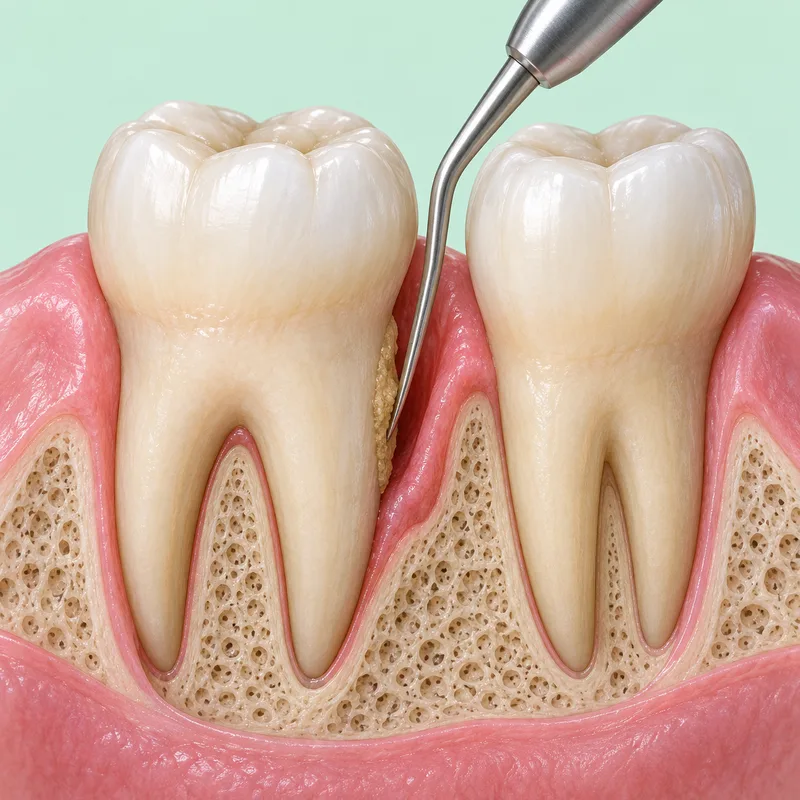
What below-gum cleaning involves
Scaling and root planing clean affected root surfaces beneath the gum margin. This cleaning removes plaque (soft buildup on teeth) and associated deposits from selected pockets. It does not promise complete removal of bacteria or cure in one session.
Deep periodontal cleaning can use local anaesthetic to numb the gums and may be divided over more than one visit. The number of visits and anaesthetic plan depend on disease extent and the patient. Temporary soreness, bleeding, sensitivity or visible gum recession (gums pulling back from the teeth) can follow; symptoms and response vary.
Reassessment and continuing care
After treatment, the team reassesses gum health and pocket findings and considers whether further treatment is needed. Surgery may be considered if nonsurgical care has not adequately controlled disease, but pocket depth alone does not make surgery automatic. The periodontal flap surgery guide explains a separate access option if reassessment supports it. Daily brushing and cleaning between teeth help control plaque; technique can be tailored to the mouth.
Sources (3)
Discussing root planing in Gurugram
Dr. Supreet’s Dental & Implant Centre is at 395 P, Sector 39, near Medanta Hospital, Gurugram (Gurgaon), Haryana 122001. Bring prior periodontal charts and images if available. Ask which sites need below-gum cleaning, whether numbing or more than one visit may be appropriate, what changes can occur and when the response will be reassessed. View the Sector 39 clinic location or contact the clinic; call or WhatsApp +91 9650298009.