Cement-Retained Implant Prostheses in Gurugram
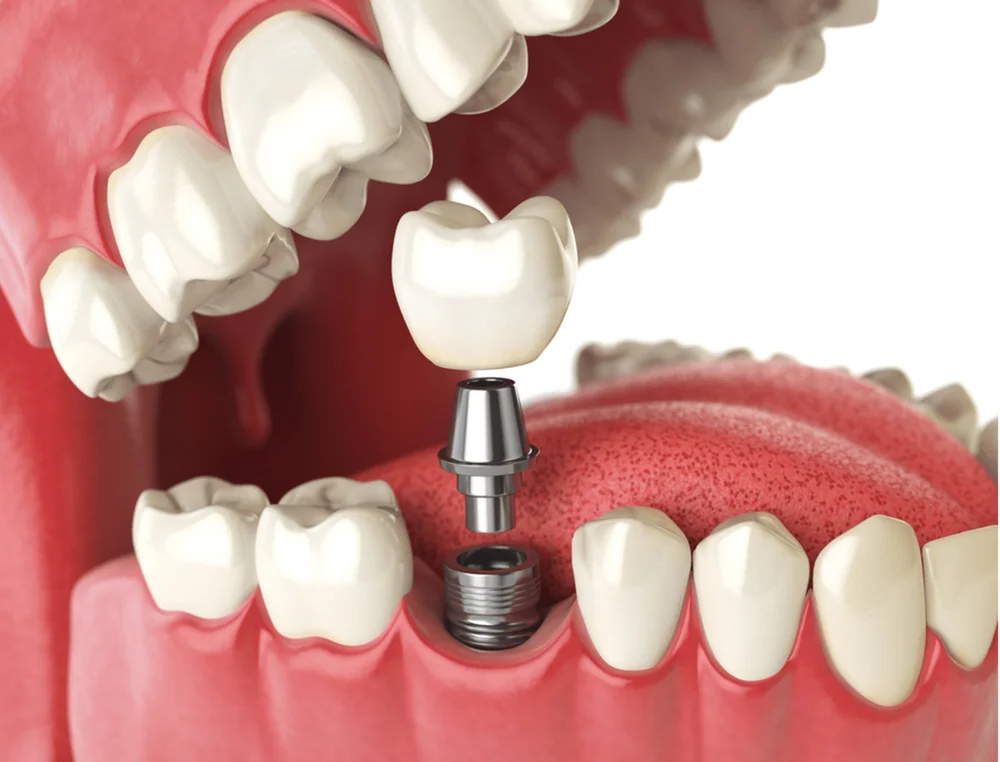
A fixed implant restoration may be attached by cementing it onto an abutment, the connector between the implant and replacement teeth. With cement retention, the margins—the edges where the replacement meets the connector—need to be accessible: retained excess cement can contribute to inflammation around an implant, and edges deep under the gum can make cement harder to remove. Screw-access position and aesthetic factors may also influence whether cement retention is considered. A 2013 International Team for Implantology (ITI) consensus did not recommend one design universally. Dr. Supreet Kaur Sawhney, MDS, is a Senior Consultant – Oral & Maxillofacial Surgeon and Senior Implantologist with 20+ years of experience. She can review the proposed restoration, its margins and how it will be maintained.
Sources (2)
Discuss cement retention and margin access with Dr. Supreet
A useful restorative discussion weighs the screw-access position and aesthetic requirements alongside whether the margins—the edges where the replacement meets its connector—can be reached and managed. A cement-retained restoration is not automatically the better choice: screw- and cement-retained designs can both cause tissue or component problems. The decision depends on clinical circumstances and whether a clinician may need to remove the replacement later for access.
Sources (2)
For a clinic appointment, visit Dr. Supreet's Dental & Implant Centre, 395 P, Sector 39, near Medanta Hospital, Gurugram (Gurgaon), Haryana 122001. View the Sector 39 clinic location, other consultation locations, or contact the clinic. Call or WhatsApp +91 9650298009 to ask about an appointment.
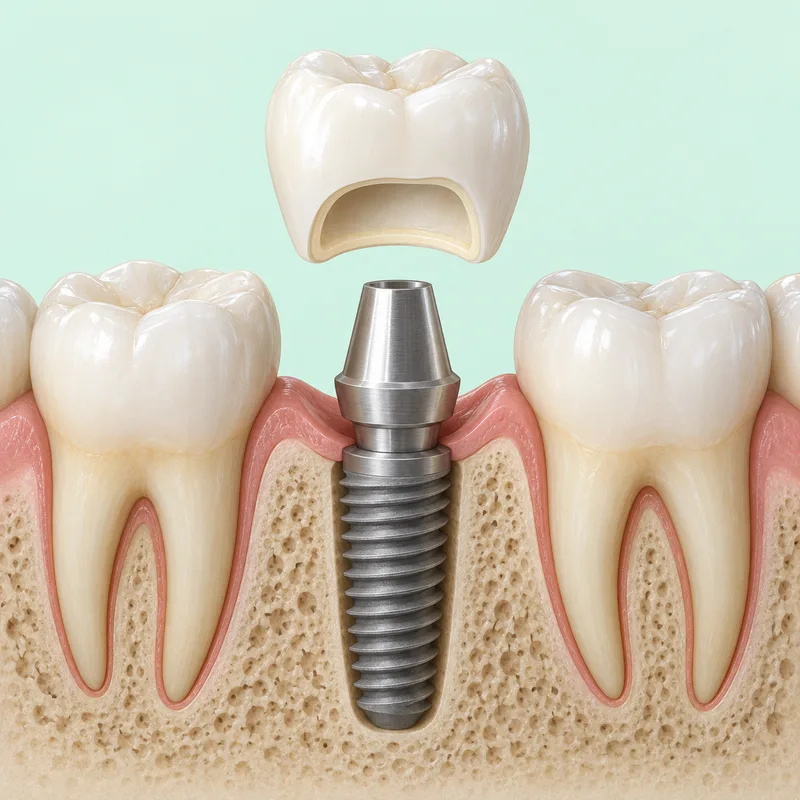
How the fixed restoration is attached
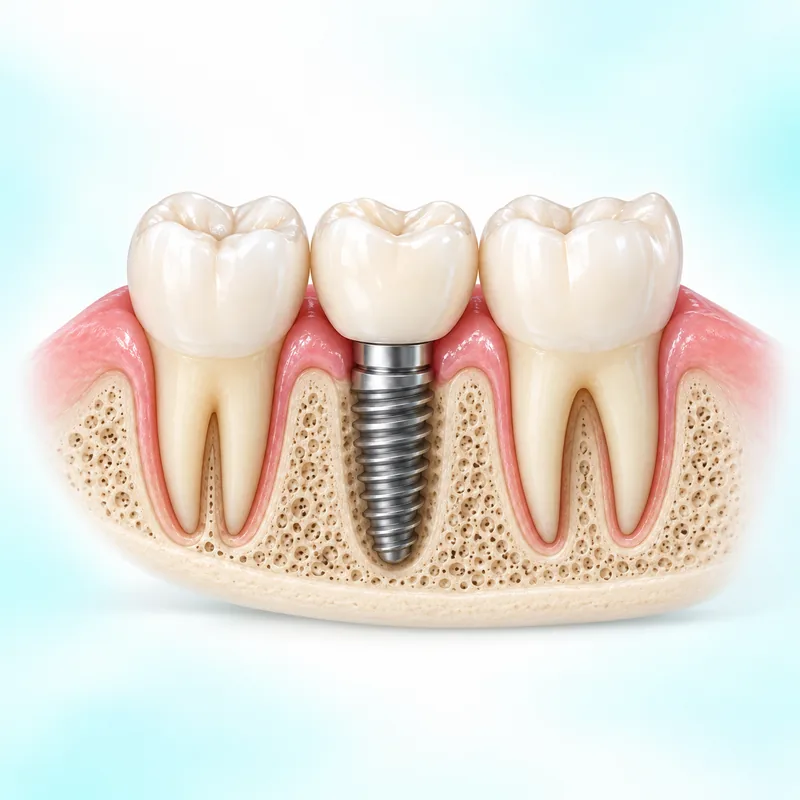
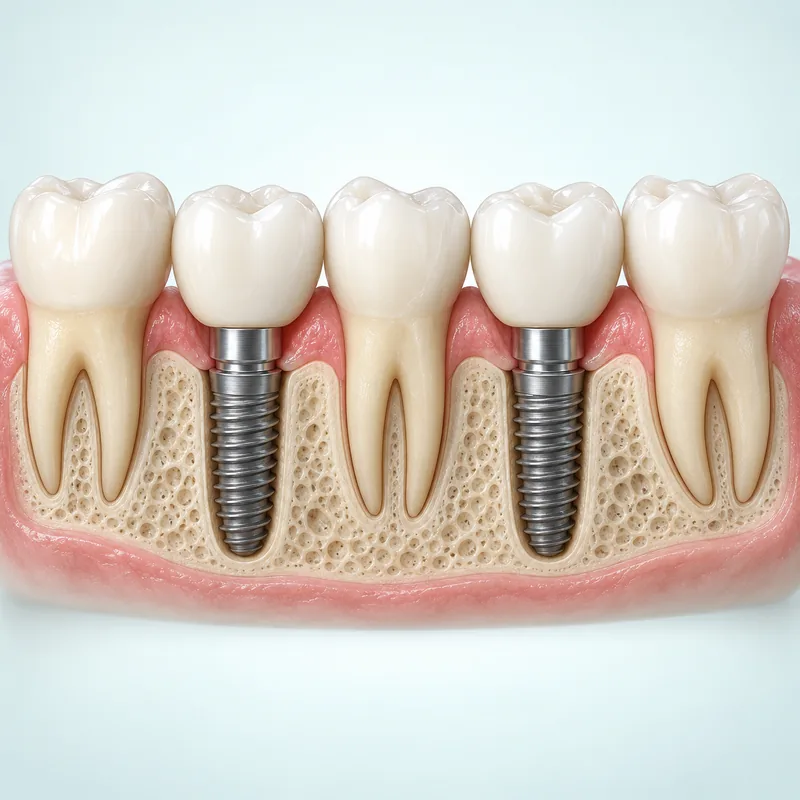
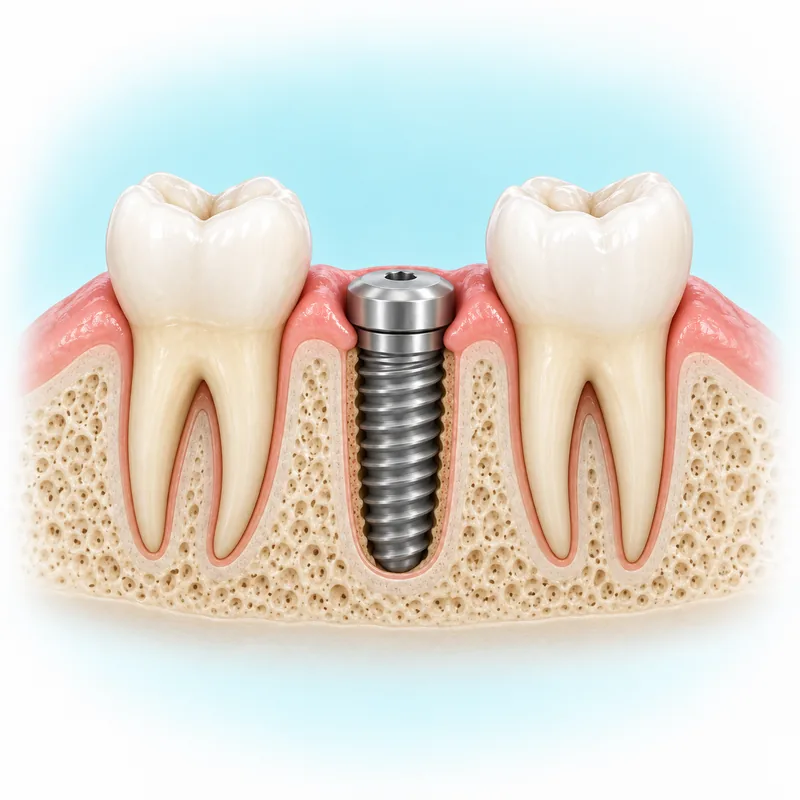
The implant body sits in the jawbone, and the abutment is the connector between it and a crown, bridge or other replacement tooth. With cement retention, the replacement is cemented onto that connector. By comparison, a screw-retained replacement is fastened to the implant or connector with a screw. This guide concerns the restorative attachment choice; it does not describe surgical bleeding, anaesthesia or other implant-placement effects.
Sources (2)
When a cement-retained restoration is fitted, extra cement around its edges needs to be identified and removed. Accessible edges make this easier to manage; an edge deep under the gum can make removal more difficult. The position and access should therefore be part of planning and fit checks.
Sources (2)
Fit, hygiene and continuing review
Restorative appointments can include impressions (moulds of the mouth) and checks of the fit of replacement components. Clinical review can record initial findings for later comparison. Hygiene aids should suit the shape of the fixed restoration and the spaces around it; professional maintenance can measure the gum space around the implant, check for bleeding and gum-edge position, and assess whether cleaning tools can reach. The clinician can compare these findings with the initial records.
Sources (3)
Implants do not develop tooth decay, but the surrounding tissues can develop disease, so daily cleaning and professional follow-up remain important. Both attachment designs can lead to tissue or replacement-component problems. Contact the treating dental team promptly for pain or a feeling that the implant is loose so the implant and restoration can be assessed.
Sources (2)
For broader replacement choices, read the dental implant consultation guide. The single-tooth implant guide covers a one-gap decision, while the full-arch implant guide considers complete-arch restoration planning.