Periodontitis Treatment in Gurugram
Periodontitis is gum disease involving loss of the supporting tissue connection (attachment) and bone around teeth. A diagnosis and treatment plan depend on clinical findings, not bleeding alone. Dr. Supreet Kaur Sawhney, MDS, is a Senior Consultant – Oral & Maxillofacial Surgeon and Senior Implantologist with more than 20 years of experience. Dr. Supreet provides periodontitis assessment and treatment in Gurugram, with care planned from the extent of support loss and other clinical findings.
Sources (2)
What the assessment measures
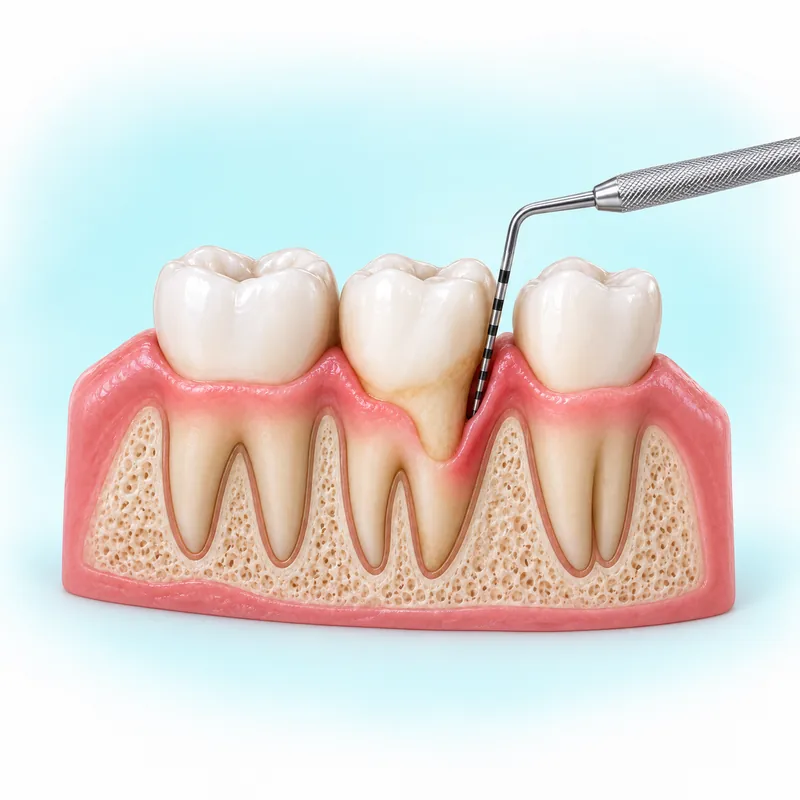
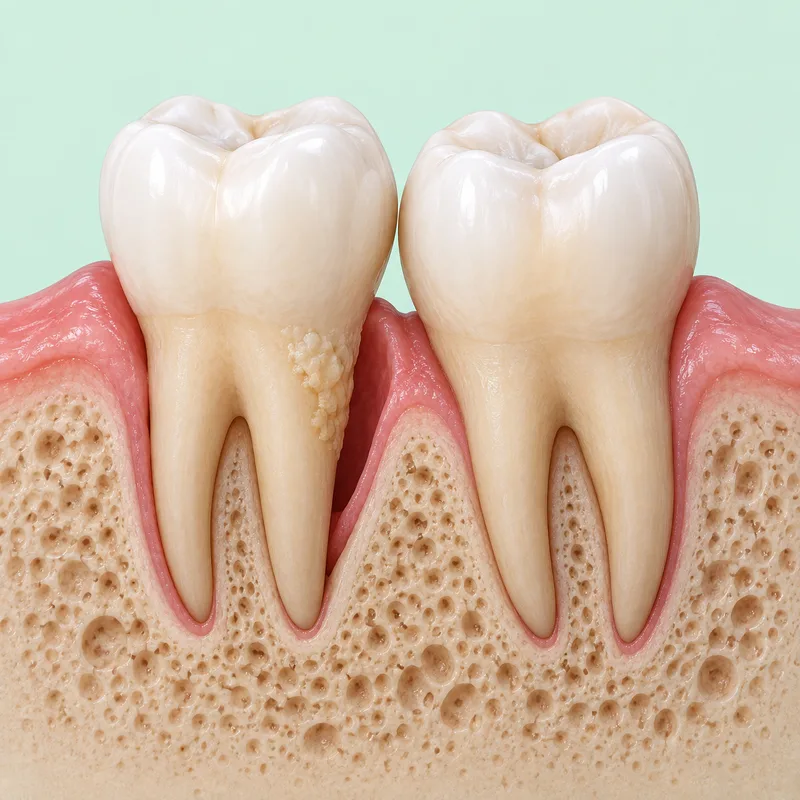
A periodontal examination may measure how much attachment has been lost, the depth of gum pockets (spaces between teeth and gums), bleeding and bone loss visible on appropriate dental images. The clinician interprets those findings and considers other possible causes before diagnosing periodontitis. Gum disease can be present without obvious symptoms.
Treatment is staged and reviewed
Stages describe the clinician’s classification of gum-disease extent and complexity. For stages I–III, the guideline pathway starts with control of plaque (soft buildup on teeth), risk-factor management and professional instrumentation. Smoking and diabetes control are relevant parts of risk management, but they do not replace periodontal treatment.
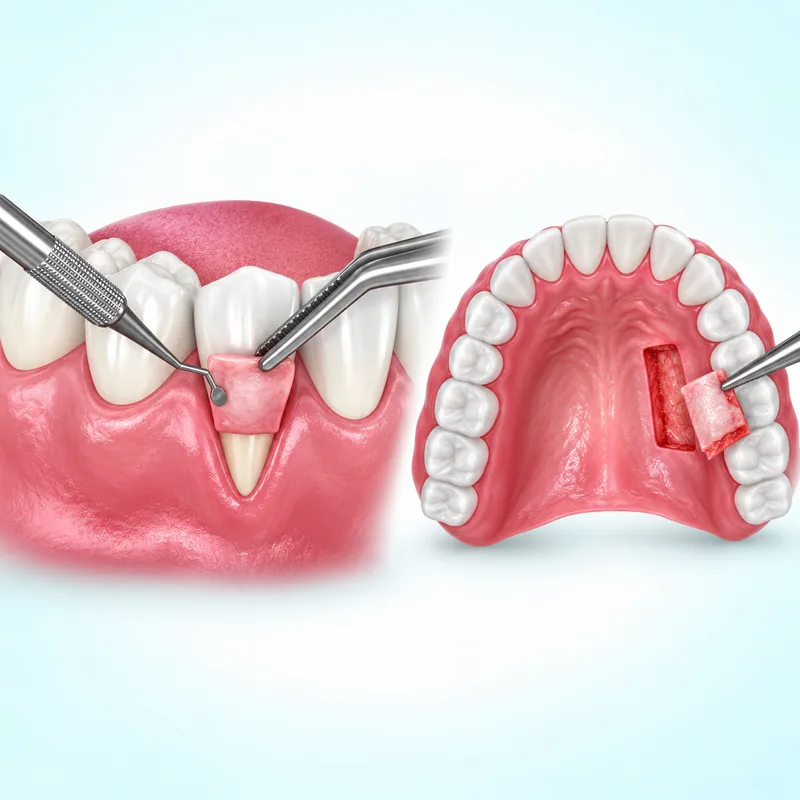
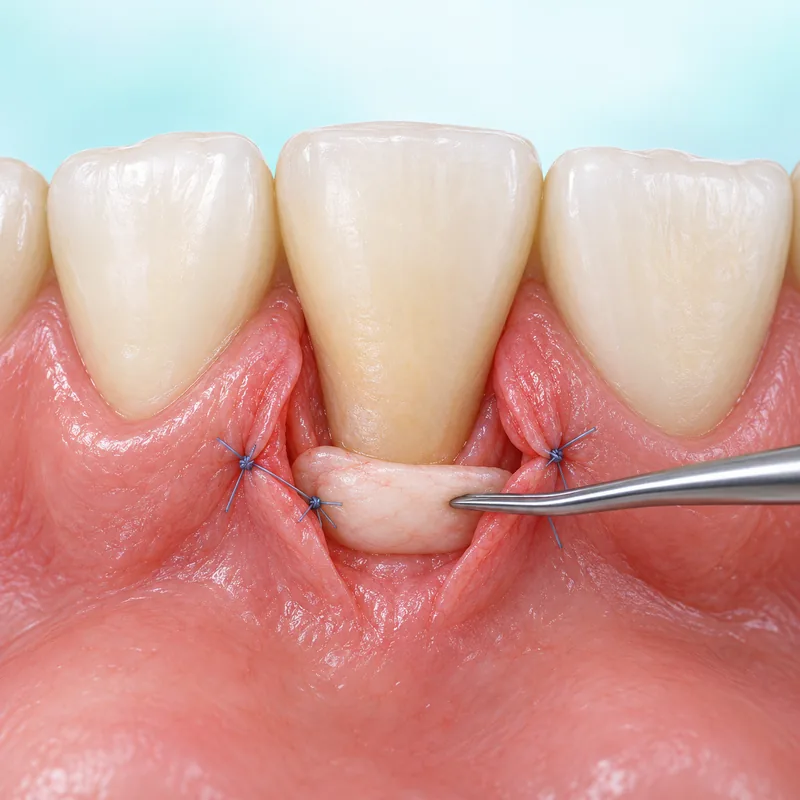
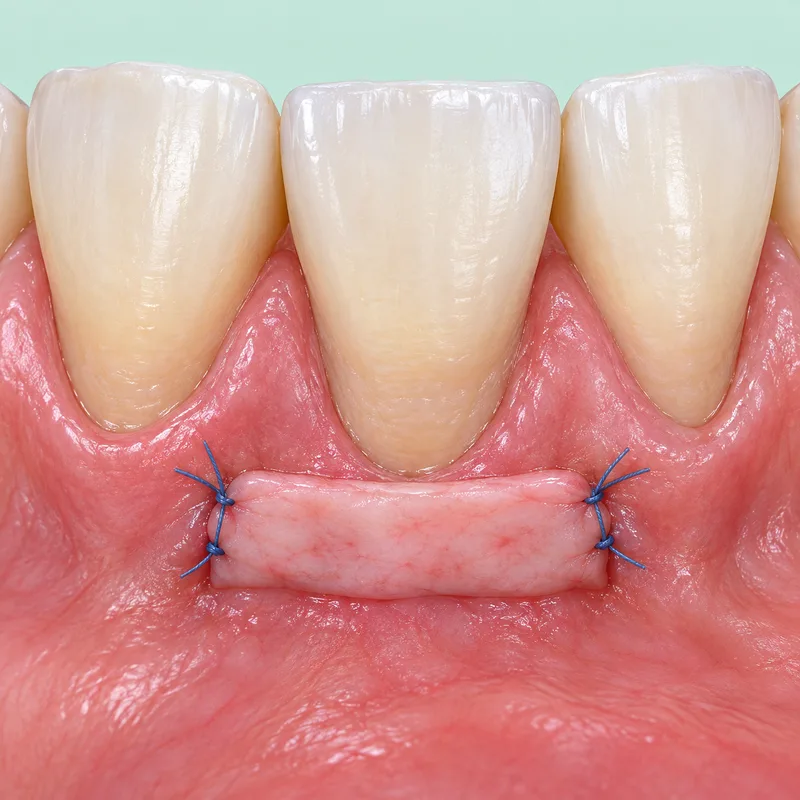
Professional instrumentation cleans affected root surfaces below the gum margin. The sites and extent depend on the periodontal assessment. The team then reviews the response; treatment is not a one-time cleaning that guarantees cure or restores all lost support. If nonsurgical care does not adequately control disease, surgery may be considered after reassessment, but it is not needed by everyone. The periodontal flap surgery guide discusses access surgery for selected remaining deep pockets.
These stage I–III recommendations should not be treated as a complete plan for every advanced or complex stage IV case. More complex findings require individualized assessment and planning.
Continuing supportive care
After active periodontal therapy, supportive-care intervals are individualized within a 3–12-month guideline range, based on risk and periodontal condition. Daily brushing and cleaning between teeth help control plaque and recurrence. Continued maintenance remains important even when further surgery is not needed.
Sources (3)
Discussing periodontitis in Gurugram
Dr. Supreet’s Dental & Implant Centre is at 395 P, Sector 39, near Medanta Hospital, Gurugram (Gurgaon), Haryana 122001. Bring earlier periodontal charts and dental images if available, and tell the clinician about medicines, tobacco use and diabetes. Ask which stage-specific recommendations apply, what will be reassessed and how often supportive care should be considered. View the Sector 39 clinic location or contact the clinic; call or WhatsApp +91 9650298009.