Do Night Guards Help TMJ Pain and Teeth Grinding?
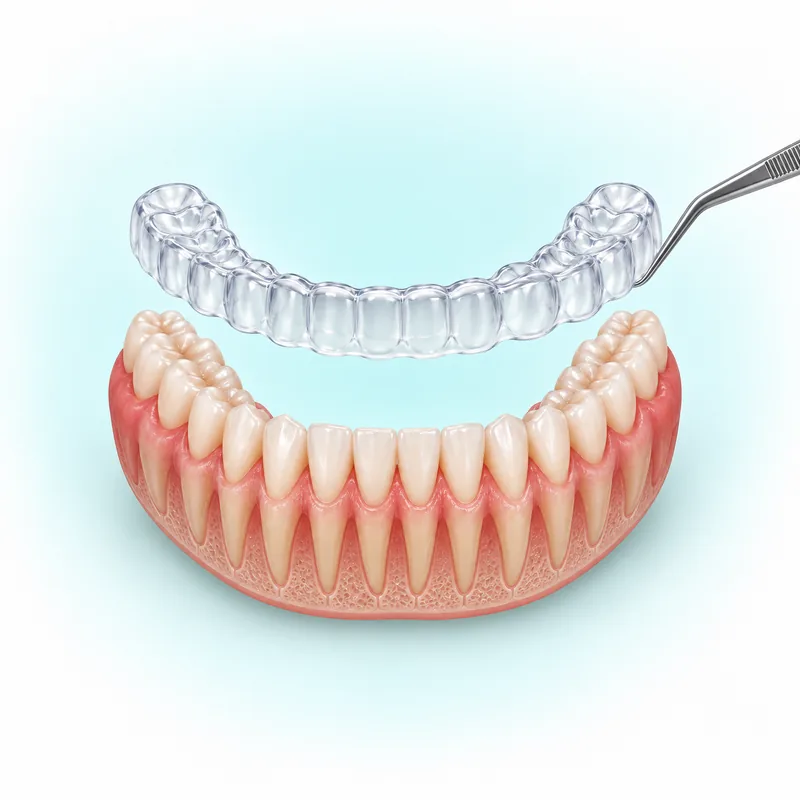
A night guard can help with one job and is uncertain for another. A dentist-made guard can separate the teeth and help protect them from grinding damage, but it does not guarantee that grinding or clenching stops. For TMJ or jaw pain, evidence that an oral appliance reduces pain is limited. Protecting teeth and relieving jaw pain are different goals, so the reason you are being offered a guard matters (NIDCR Bruxism; NIDCR TMD).
Key points
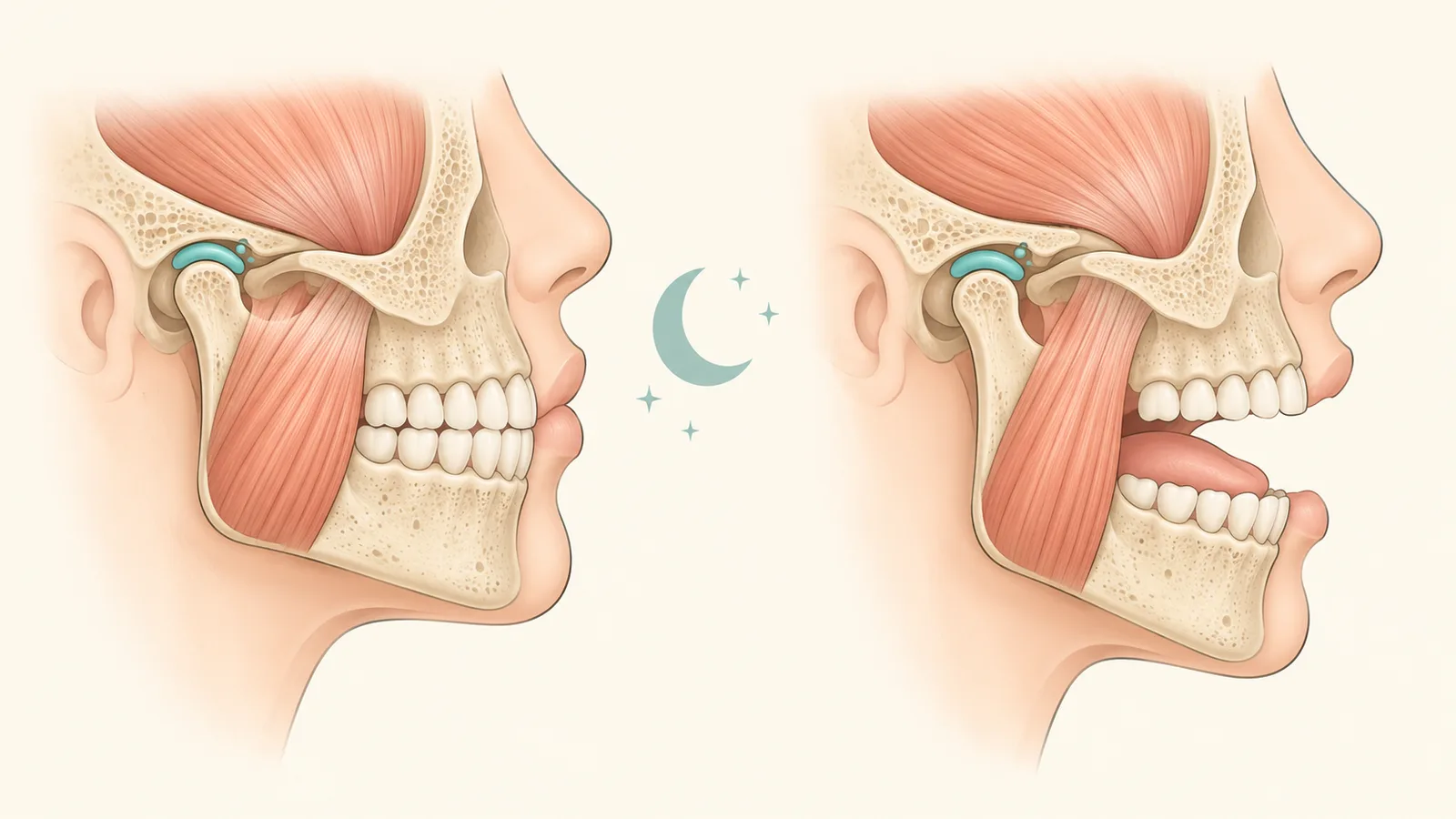
- Bruxism means grinding, clenching or gnashing the teeth, awake or asleep, and a night guard mainly protects teeth and restorations from wear.
- A guard does not stop the grinding itself; treatment usually focuses on the problems it causes.
- NIDCR says there is not a lot of evidence that appliances improve TMD pain, and an appliance should not permanently change your bite.
- Fit and design matter: ask for a guard made by a dentist, and have it checked regularly.
- Mild bruxism may need no treatment, and awareness and behaviour strategies can help reduce awake clenching.
What does a night guard actually do?
A splint or mouth guard is a removable appliance that fits over the teeth. NIDCR says a mouth guard can separate the teeth, which prevents tooth damage and may reduce grinding-related muscle activity (NIDCR Bruxism). Leeds Teaching Hospitals says a splint can help protect teeth from wear or fracture and ease bruxism-related pain, but it does not stop the grinding: treatment usually focuses on the problems bruxism causes rather than trying to stop it (Leeds Teaching Hospitals NHS Trust).
"Night guard" is used for different devices. A sleep splint discussed for bruxism is not automatically the same as a stabilisation splint chosen for a diagnosed jaw-joint or muscle problem, and a mandibular advancement device is a different appliance again, one that may be recommended when obstructive sleep apnoea is suspected or confirmed (Leeds Teaching Hospitals NHS Trust). Ask what your device is for.
When might a dentist suggest one?
Bruxism can damage teeth or restorations and cause jaw fatigue or headache, and mild cases may not need treatment (NIDCR Bruxism). Assessment includes your reported symptoms and an examination for dental damage; a sleep study is considered only in selected cases. A guard may be discussed to protect teeth that are being worn, chipped or cracked, or to protect fillings and crowns. Stress, certain substances and some medicines can contribute to bruxism, and any medication change needs the prescriber (NIDCR Bruxism).
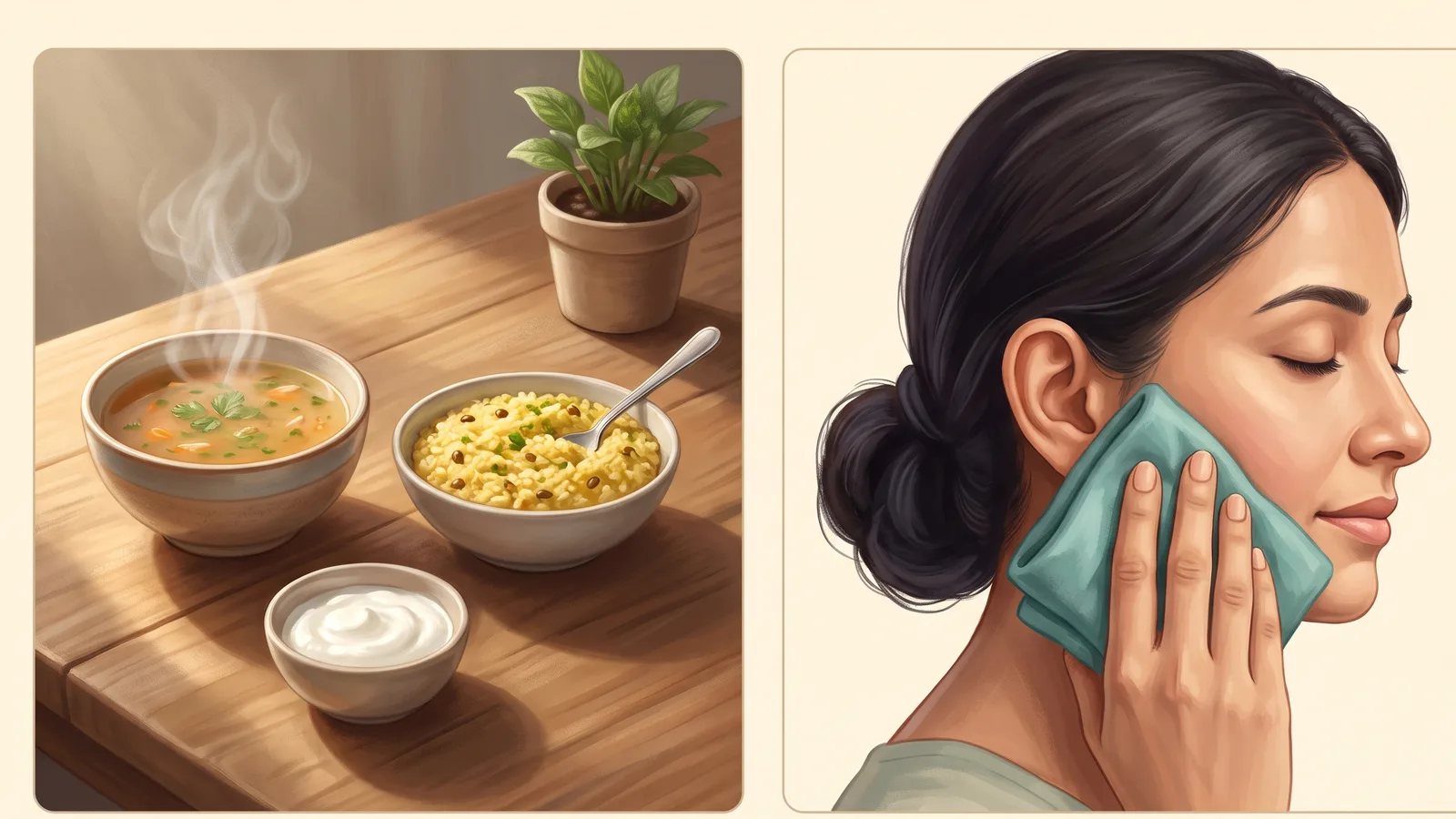
Awake clenching is different from sleep grinding. NIDCR notes that awareness and behaviour strategies can help reduce awake clenching, and the NHS advises keeping the teeth apart except when eating and avoiding gum chewing (NIDCR Bruxism; NHS).
Do night guards help TMJ pain?
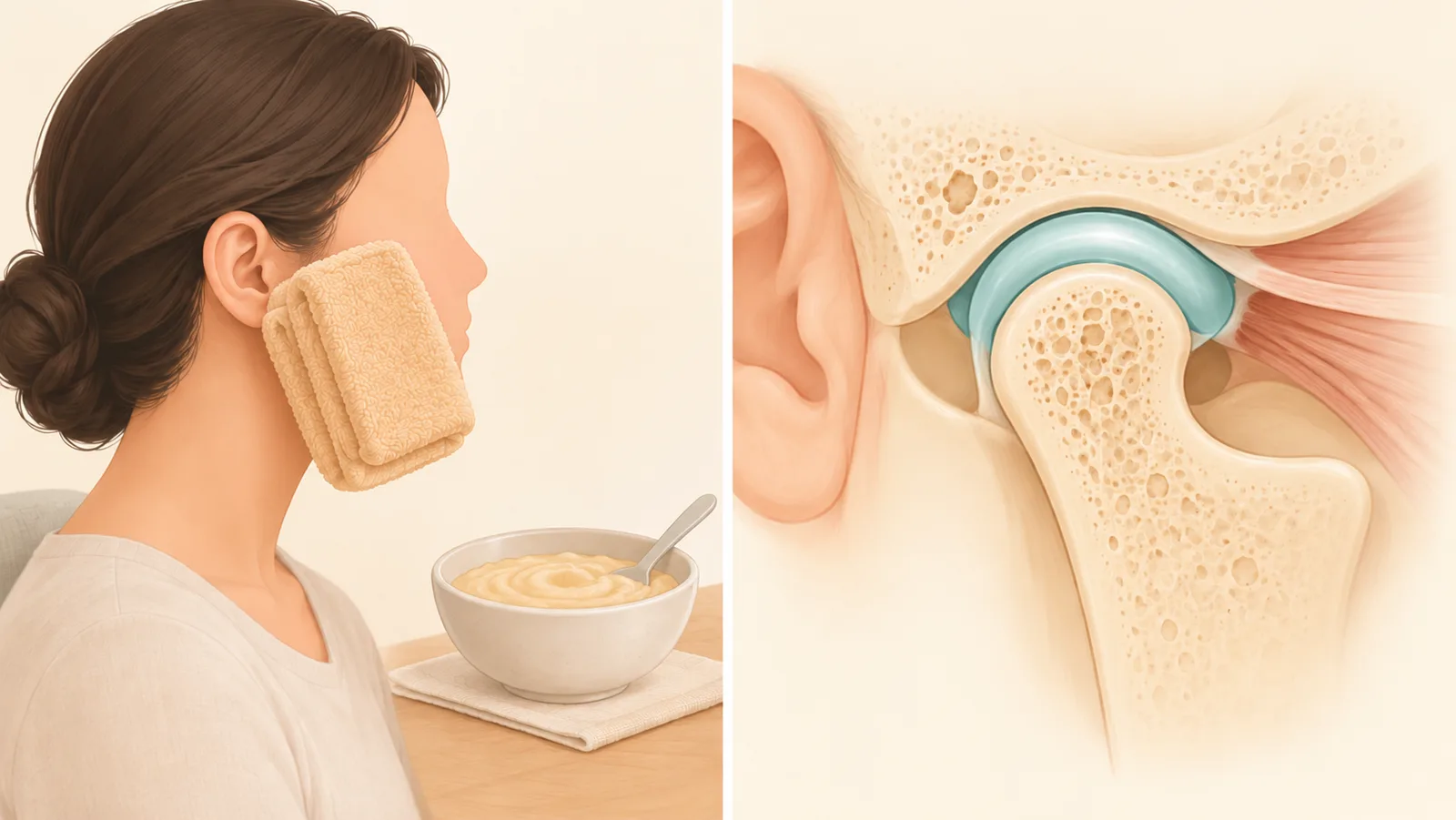
The evidence is limited. NIDCR says intraoral appliances do not change the teeth or bite, but there is not a lot of evidence on whether they improve TMD pain. If one is used, make sure it is not designed to permanently change your bite. NIDCR also says a clinician can reassess the type of TMD and other possible causes before recommending physical therapy, behavioural care or an appliance (NIDCR TMD).
So a guard is a reasonable question to put to your dentist for tooth protection, but it should not be presented as a proven treatment for jaw-joint pain. Painless clicking does not need treatment, so a guard is not needed for a click alone (NIDCR TMD).
What should I check about fit and type?
| Question | Why it matters |
|---|---|
| Was it made by a dentist? | Leeds says a splint should be made by a dentist |
| Does it fit properly? | A poor fit can cause problems for teeth or gums |
| Hard or soft? | Soft splints can wear through quickly and some people clench or grind more, making jaw pain worse |
| Does it change my bite? | NIDCR advises appliances that do not permanently alter the bite |
Source: Leeds Teaching Hospitals NHS Trust; NIDCR TMD. Over-the-counter guards are not covered by these sources, so ask your dentist whether a made-to-fit guard suits you. Regular dental assessment helps monitor tooth wear and whether an appliance is still needed (NIDCR Bruxism).
When should a guard not delay assessment?
If jaw pain persists or worsens, or you wake with pain and stiffness, have it assessed instead of relying on a guard alone. Seek urgent help if you cannot eat or drink, the jaw locks or you have difficulty opening it fully, you have frequent severe headaches, pain or tenderness at the side of the head or scalp, or vision problems such as double vision. These can have causes outside the jaw (NHS). You may also find our guide to morning jaw pain helpful.
If your jaw locks or will not open fully, see what to do about a locked jaw. If your jaw locks or will not open fully, see what to do about a locked jaw. For a jaw that clicks without pain, see jaw clicks without pain. For one-sided pain with earache or headache, see one-sided jaw pain, earache and headache.
Night guards and TMJ treatment in Gurgaon
Dr. Supreet Kaur Sawhney, MDS in Oral & Maxillofacial Surgery with more than 20 years of experience, assesses jaw problems at Dr. Supreet's Dental & Implant Centre in Sector 39, Gurugram. Read about occlusal splint therapy, TMJ treatment or whether TMJ pain can improve without surgery. To arrange an assessment, contact the clinic or call or WhatsApp +91 9650298009.