Jaw Pain Flare-Ups: What to Eat and Which Habits to Ease
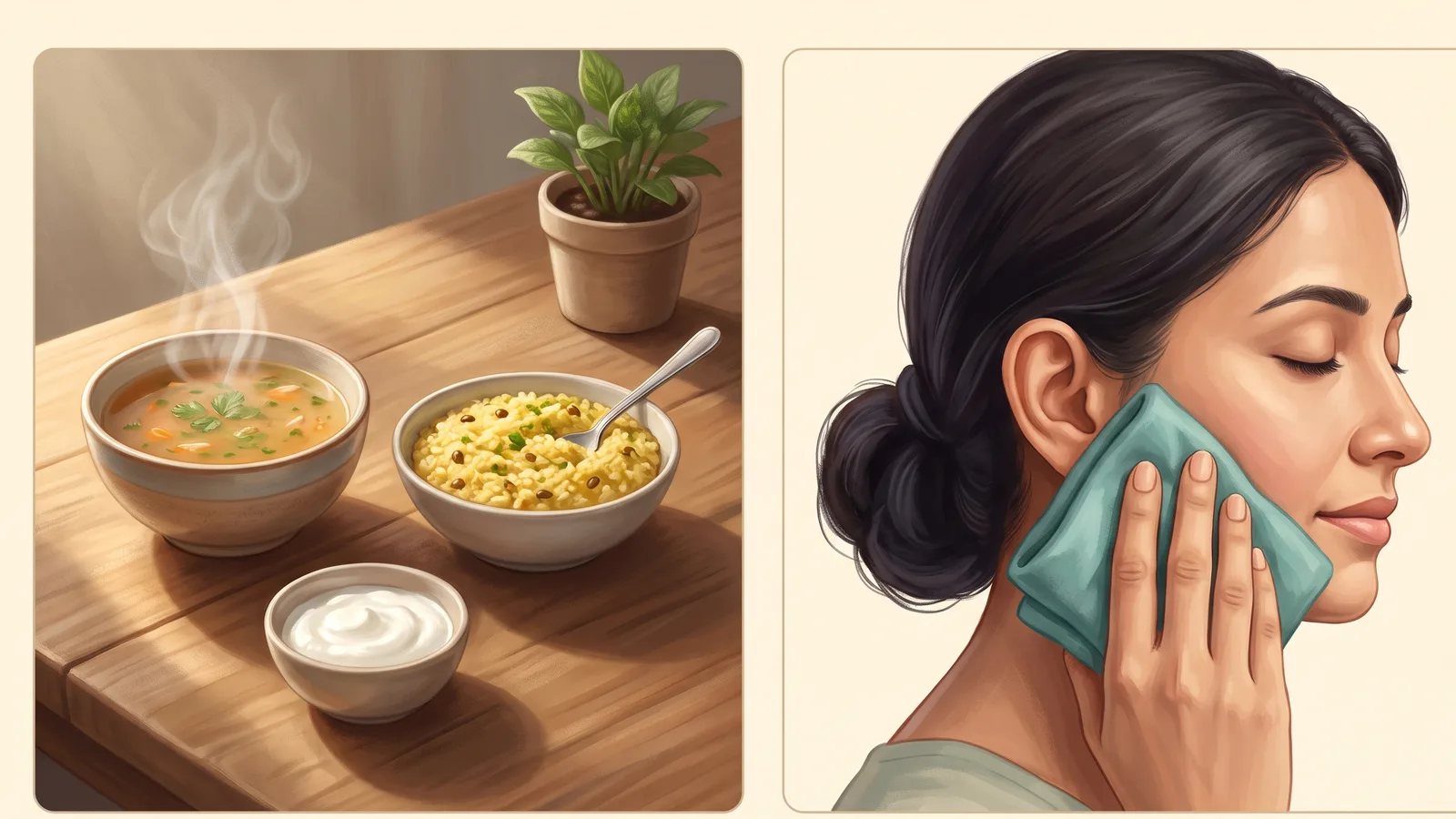
During a jaw-pain flare-up, choosing softer foods for a while, cutting tough food into small pieces, and cutting back on gum chewing, nail biting and clenching can reduce the load on your jaw. The NHS lists these steps as self-care for temporomandibular disorder (TMD), and they ease strain without telling you the cause (NHS; Worcestershire). If the pain keeps returning, gets worse, or comes with locking or urgent warning signs, you need an assessment rather than more self-care.
Key points
- Soft foods, such as pasta, omelettes and soup, are the NHS examples for a sore jaw (NHS).
- Hard, crunchy or chewy foods are the ones to swap or cut into smaller pieces (Worcestershire).
- Avoid gum, pen tops, nail biting, wide yawning and biting food with your front teeth; keep your teeth apart except when eating (NHS).
- A wrapped ice or heat pack and gentle massage may ease symptoms; skip heat or cold if you have facial numbness or circulation problems (NHS; Worcestershire).
- Self-care does not identify the cause. See a clinician if pain persists, worsens or returns, and seek urgent help for the warning signs below (NHS HEE; NHS).
What can you eat when your jaw hurts?
The NHS suggests soft foods such as pasta, omelettes and soup during a sore spell (NHS). The Worcestershire Acute Hospitals leaflet advises cutting chewy or tough foods into smaller pieces and swapping harder or chewy foods for softer alternatives where you can (Worcestershire). In an Indian kitchen, everyday soft options include dal, khichdi, curd rice, idli, upma and well-cooked sabzi. Adapt this to your own usual diet and what feels comfortable; the sources give texture guidance, not a treatment diet, and none says soft food heals the joint.
| Food texture | Easier on a sore jaw | Harder on a sore jaw |
|---|---|---|
| Examples from the sources | Pasta, omelettes, soup | Apples, steak, corn on the cob, chewy toffees |
| What to do | Choose these for now | Swap, or cut into smaller pieces |
Sources: (NHS; Worcestershire). Go back to your normal textures when chewing is comfortable again; the sources give no fixed period for soft food, and it is meant to ease a sore jaw, not to be kept for good (NHS).
Which habits add load to the jaw?
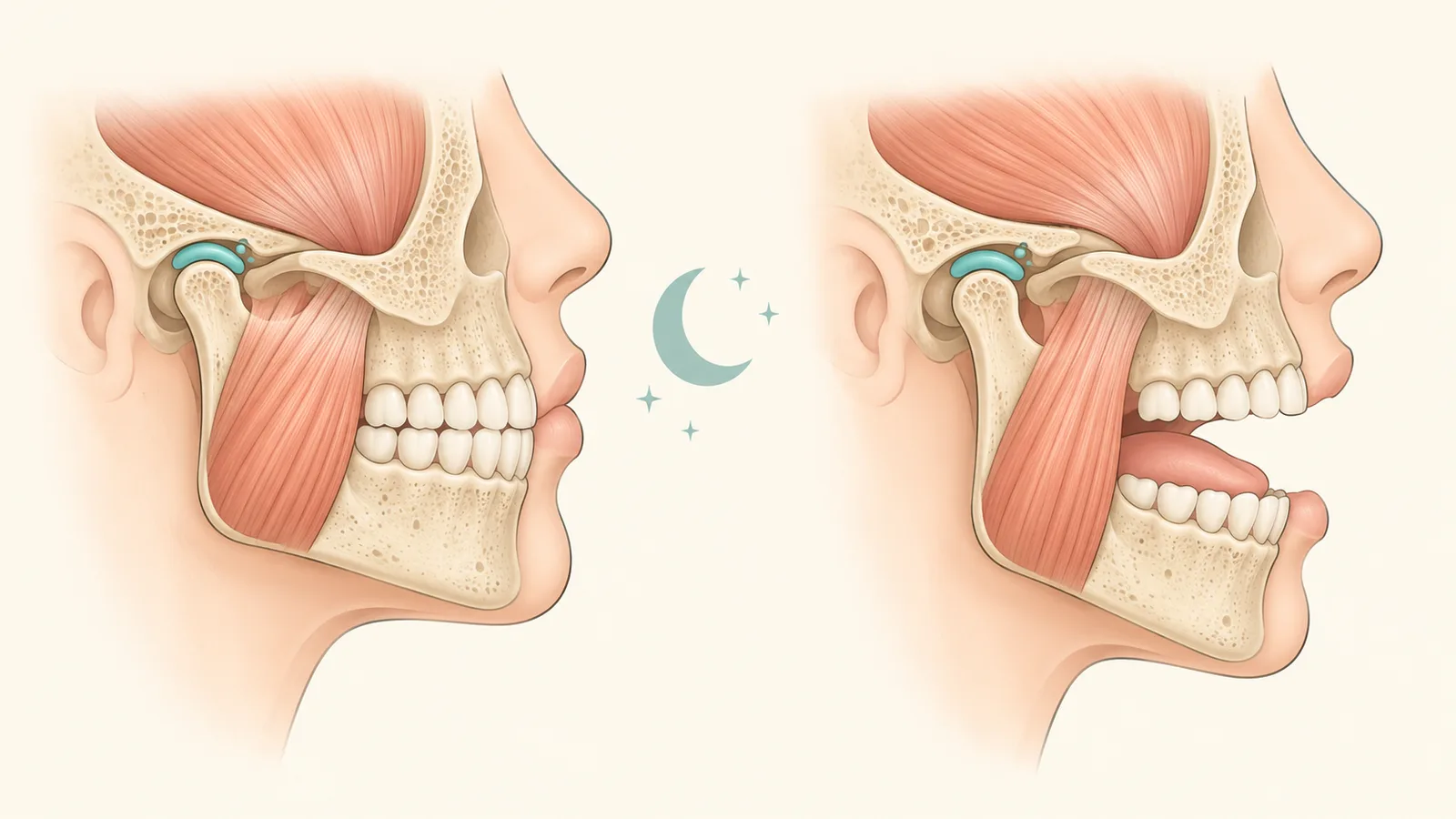
The NHS lists these things to avoid when you have TMD symptoms: chewing gum or pen tops, biting food with your front teeth, yawning too widely, biting your nails and clenching your teeth (NHS). It adds that, except when eating, your teeth should be apart. The Worcestershire leaflet also suggests limiting unnecessary chewing so the jaw can rest, not holding your phone between your shoulder and ear, avoiding sleeping face down because it strains the neck, and not staying in poor positions for long periods (Worcestershire).
If you notice daytime clenching, NIDCR and Leeds describe awareness and reminders such as notes, phone timers or alarms to keep the teeth apart and the jaw relaxed, and note it takes practice and time (NIDCR; Leeds). NIDCR also lists relaxation, yoga or meditation, and avoiding caffeine, alcohol and smoking among helpful tips for bruxism (NIDCR). If waking with a sore jaw is your main problem, read our guide on morning jaw pain, clenching and stress.
Do heat, cold and massage help?
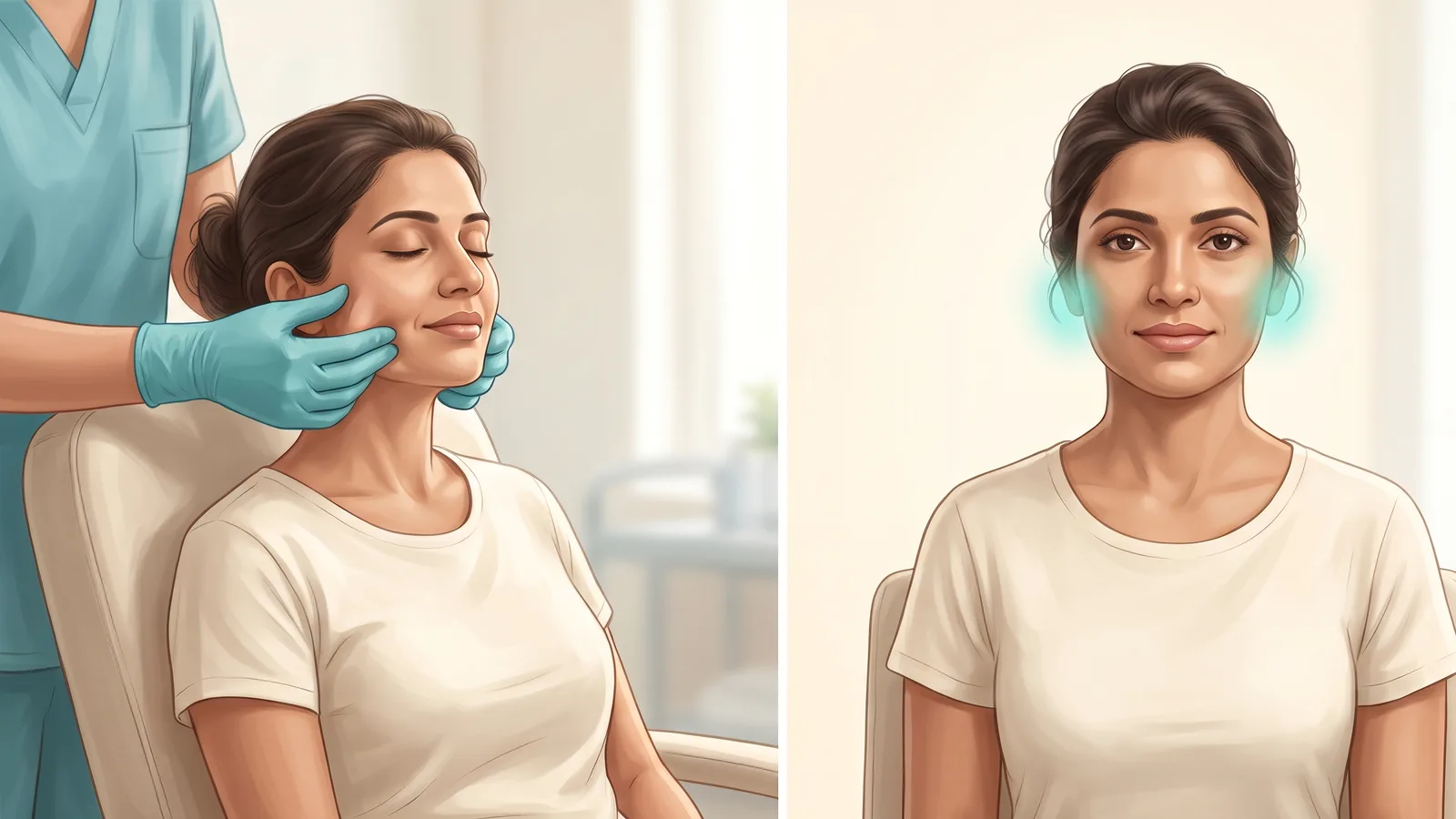
The NHS suggests an ice pack or heat pack wrapped in a tea towel, whichever feels better, and massaging the sore jaw muscles (NHS). The American Academy of Orofacial Pain (AAOP) also lists moist heat or cold packs and gentle massage among options for jaw-muscle pain (AAOP). Always put a cloth between the pack and your skin. The Worcestershire leaflet advises asking a physiotherapist or doctor how to use heat or ice safely and avoiding it if you have facial numbness or sensory or circulation problems (Worcestershire). The sources give differing times for packs, so follow what your clinician tells you and stop if it makes symptoms worse. Avoid forceful jaw stretching. If you have been given jaw exercises, they must suit your diagnosis, so use only the ones chosen for you; our guide to jaw physiotherapy exercises explains why.
What about pain relief medicine?
The NHS lists pain relief as part of self-care. NIDCR cautions that evidence on which medicine best reduces TMD pain is limited, and that some prescription options have serious side effects. Ask a pharmacist, doctor or dentist which medicine suits you and for how long, as no drug is right for everyone (NHS; NIDCR).
What should you avoid doing in a flare?
Avoid forcing the jaw open, repeatedly testing how wide it opens, and treatments that permanently change your teeth, bite or joint without a clear diagnosis. NIDCR advises conservative, reversible care first and says bite-changing treatments have insufficient evidence and can in some cases make TMD worse (NIDCR). Habits and soft food do not explain every case: NIDCR says the exact cause of TMD is often unclear and that research points to a mix of genetic factors, life stressors and how a person perceives pain, and a bad bite or braces are not supported as causes (NIDCR).
When is more than self-care needed?
An NHS pharmacy dental factsheet advises a dental assessment if symptoms get worse (NHS HEE). If symptoms get worse, the Worcestershire leaflet also tells readers to contact a doctor (Worcestershire). Arrange assessment if the pain returns repeatedly, the jaw catches or locks, or opening becomes restricted.
Seek urgent help if you cannot eat or drink, have difficulty opening your mouth fully or your jaw locks, have frequent severe headaches, have pain or tenderness at the side of the head or scalp, or have vision problems such as double vision or loss of vision (NHS). The same factsheet lists chest and jaw pain that is worse on exertion as an alert sign (angina), so mention it to a doctor promptly (NHS HEE). See our guide on jaw locking and restricted opening.
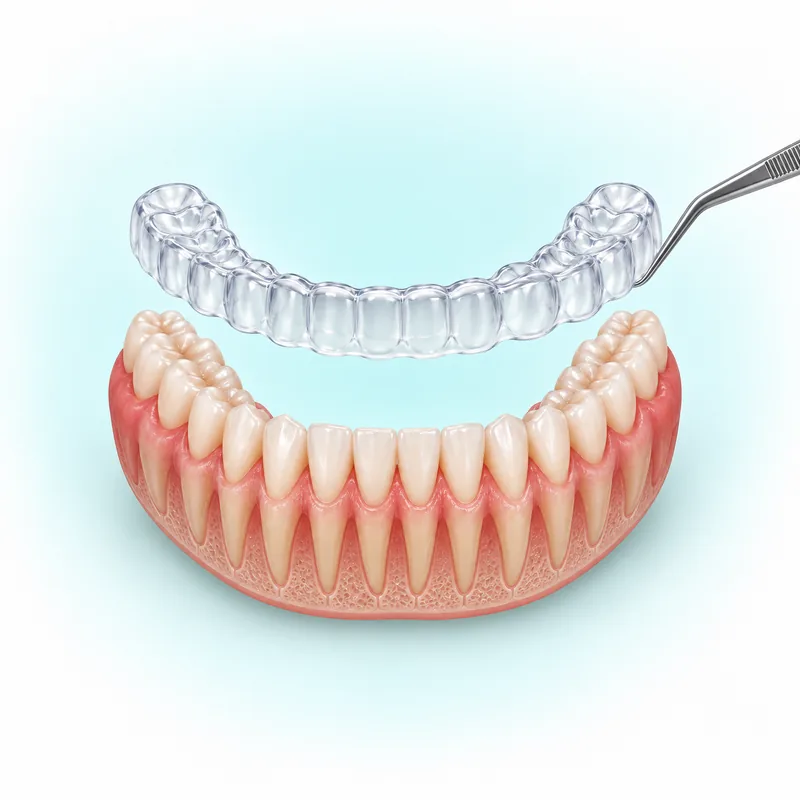
If you clench or grind at night, see whether night guards help. If the pain spreads to your ear or temple, see one-sided jaw pain, earache and headache.
Jaw pain treatment in Gurgaon
Dr. Supreet Kaur Sawhney, MDS in Oral & Maxillofacial Surgery and Senior Consultant Oral & Maxillofacial Surgeon with over 20 years of experience, assesses jaw-joint problems at Dr. Supreet's Dental & Implant Centre in Sector 39, Gurugram. The clinic's conservative TMJ treatment and myofascial jaw pain management pages explain the non-surgical options. See also TMJ disorder treatment in Gurgaon, then contact the clinic, or call or WhatsApp +91 9650298009.