Is Botox Good for TMJ Pain? Does It Work, and Is It Safe?

Botox (botulinum toxin) is not an approved treatment for temporomandibular disorders (TMD). The US FDA has approved it for some conditions, such as migraine, but not for TMD, so using it for jaw pain is "off-label". Studies have shown mixed results, and it is still unclear whether it relieves TMD symptoms (NIDCR). It is not a first treatment. It should only be considered after a clear diagnosis, simpler care and a full consent discussion (RCS England/GIRFT guideline).
Key points
- Botox is not FDA-approved for TMD, so its use for jaw pain is off-label, and the benefit is unclear.
- A UK national guideline says it should not be a first treatment. It allows a trial only in selected cases of jaw-muscle pain, recommended by a senior clinician.
- It is not expected to help pain that comes from inside the joint, so the muscle-versus-joint diagnosis matters.
- Its effect can spread beyond the injection site, and studies report jaw bone changes that are not yet fully understood.
- Before agreeing, ask what has been tried, how benefit will be judged and when treatment would stop.
Is Botox approved for TMJ pain or jaw clenching?
No. NIDCR says botulinum toxin is approved by the FDA for some conditions, but not for TMD (NIDCR). A doctor may still use an approved product for another purpose. This is called "off-label" use. It is a recognised part of medicine, but it means the label gives no tested dose or schedule for TMD, and your consent should say so. This is separate from cosmetic use of the same product.
Does Botox work for TMJ pain?
Nobody can promise it will. The UK national guideline from the Royal College of Surgeons of England and NHS GIRFT found no clear evidence for or against Botox in jaw-muscle TMD. It may help some people, but who benefits is not yet known (RCS England/GIRFT guideline). NIDCR also describes the results as mixed (NIDCR).
The same guideline says Botox is not expected to help pain that comes from inside the joint. It also says consent should cover repeated injections, and that the effect on pain may fade over time (RCS England/GIRFT guideline). A large UK trial has been commissioned, so the evidence may change. Be cautious of any claim that Botox "cures" jaw pain or clenching.
Is the pain from the muscle or the joint?
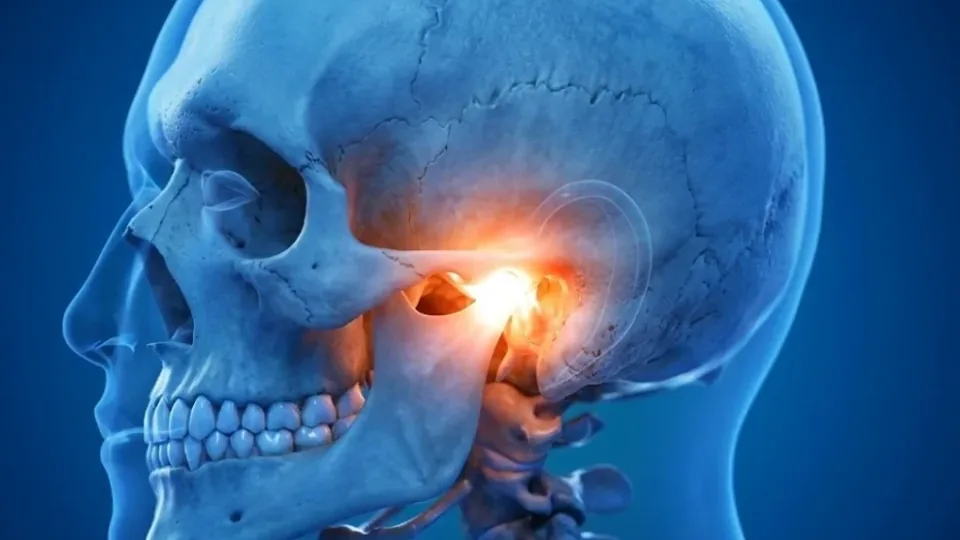
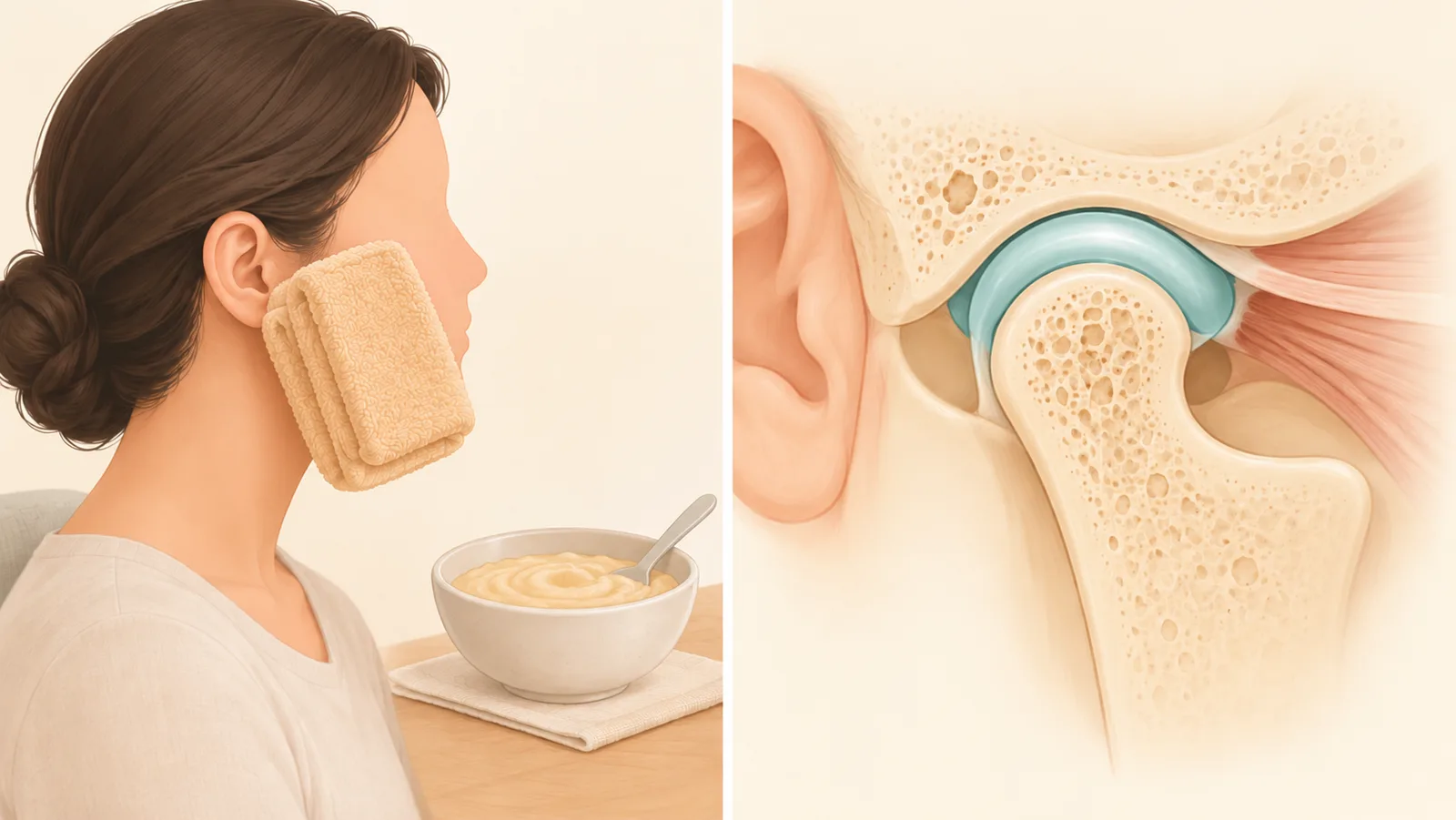
TMD can involve the jaw joints, the chewing muscles or both (NIDCR). An injection into a muscle does not repair a joint, and it does not treat a toothache or another cause of facial pain. You cannot tell the source from where it hurts. A clinician works it out from your history and an examination, with scans only when they answer a question (NIDCR). Read more about how a TMJ disorder is assessed.
What are the side effects and risks of Botox for TMJ?
| Concern | What is known |
|---|---|
| Muscle weakness | The injected muscle is deliberately weakened |
| Spread of effect | The effect may spread beyond the injection site |
| Bone and muscle changes | Muscle shrinkage and jaw bone changes have been reported; their impact is unclear |
The FDA label for BOTOX Cosmetic carries a boxed warning that toxin effects may spread from the injection area. Symptoms can include general weakness, double vision, a drooping eyelid, or trouble speaking, swallowing or breathing. They can appear hours to weeks after injection, and swallowing or breathing problems can be life-threatening (FDA BOTOX Cosmetic prescribing information). The label also warns about serious reactions with unapproved uses. It gives no rate for TMD patients, so these warnings show what to watch for, not how likely they are.
The UK guideline notes that muscle shrinkage and reduced bone volume and density at the jaw joint have been recorded after injections. The impact of these changes is not yet known (RCS England/GIRFT guideline). This does not mean everyone will have bone damage.
Doses of different botulinum toxin products cannot be compared unit for unit, so ask which product will be used. Tell the clinician about any swallowing or breathing problems, nerve or muscle conditions, past reactions and your medicines. An infection at the injection site, or an allergy to the toxin, rules treatment out (FDA BOTOX Cosmetic prescribing information).
If you have trouble swallowing or breathing after any toxin injection, get emergency medical help straight away.
What should be tried before Botox?
The UK guideline says a Botox trial may be considered only in individual jaw-muscle cases recommended by a senior clinician, with a detailed consent discussion (RCS England/GIRFT guideline). NIDCR says simple, reversible treatment should generally come first (NIDCR). Depending on the diagnosis, that can include softer food for a while, less gum chewing and clenching, a warm or cold pack, gentle massage and physiotherapy. A psychologist may help if stress and anxiety are making the pain worse (NHS).
See whether TMJ pain can improve without surgery and jaw physiotherapy and TMJ exercises. A splint is sometimes suggested, but there is not much evidence that it improves TMD pain, and it should not permanently change your bite (NIDCR). Read more about night guards.
When should I arrange an assessment, and when is it urgent?
Arrange an assessment if your jaw pain is not easing or is getting worse despite self-care. Seek urgent help if you cannot eat or drink, or if your jaw locks or will not open fully. The same applies to frequent severe headaches, pain or tenderness at the side of the head or scalp, or vision problems such as double vision (NHS). These can have causes outside the jaw.
What should I ask before agreeing to injections?
- What is my diagnosis: muscle, joint or both?
- Why might this help me, given the mixed evidence?
- What has already been tried, and for how long?
- Which product will be used, and is this use off-label?
- How will we judge benefit, how often might it be repeated, and when would we stop?
- What happens if it does not help, or if I have a side effect?
If the answers are unclear, a second opinion is reasonable. Our guide on who should treat my TMJ can help you choose.
TMJ disorder treatment in Gurgaon
Dr. Supreet Kaur Sawhney is an MDS-qualified oral and maxillofacial surgeon and TMJ specialist in Gurgaon, with more than 20 years of experience. She assesses jaw pain at Dr. Supreet's Dental & Implant Centre in Sector 39, Gurugram, starting with non-surgical care. When she includes jaw physiotherapy in your plan, it can be arranged on site. Dr. Jaydeep Singh Rajpoot (BPT, MSPT), a physiotherapist at Active Align Clinic, works at the same Sector 39 premises. When a diagnosis requires it, she performs TMJ arthroscopy and open joint surgery herself. Read about TMJ treatment in Gurgaon and jaw-muscle pain, contact the clinic, or call or WhatsApp +91 9650298009. If you are thinking about Botox, she will first check whether your pain comes from the muscles or the joint, and whether injections are worth considering at all.